- +91-9811787643
Enquiry.gmw@gmail.com


| Business Type | Manufacturer, Exporter, Supplier, Retailer |
| Certification | ISO 9001:2008 Certified |
| Country of Origin | 220V |
| Automatic Grade | Fully Automatic, Automatic |
| Click to view more | |
Product Details
Power
1-3kw,12-15kw
Driven Type
Electric
Production Capacity
1-10ton/hr
Packaging Type
Multi Colour
Availability
100-500kg
Total Carbohydrate
1year
Number Of Flower
Wheat Cleaning Machines
High-Performance Wheat Cleaning Plant for Milling Efficiency
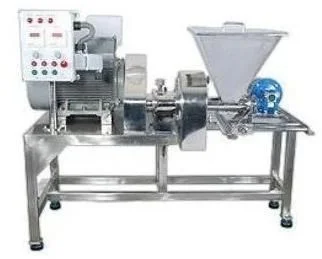
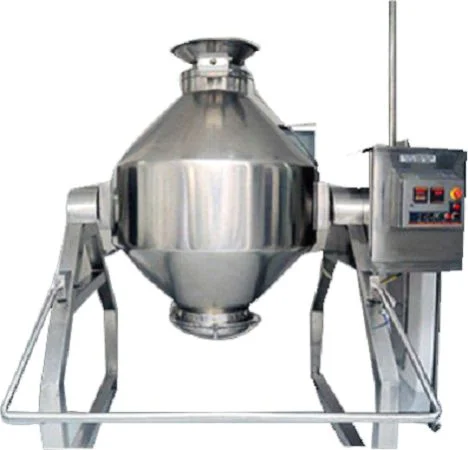
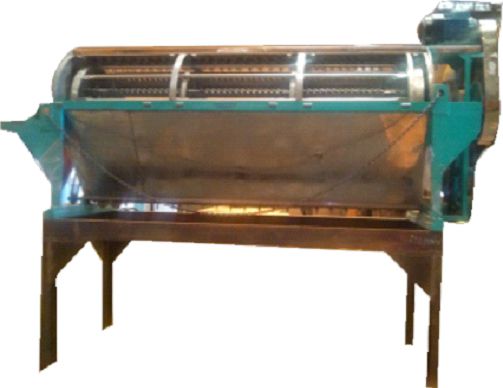
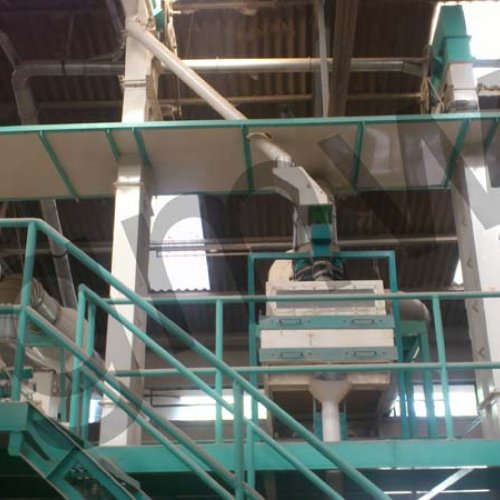
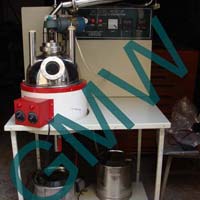
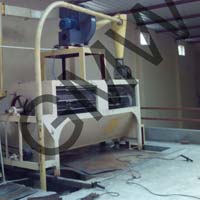
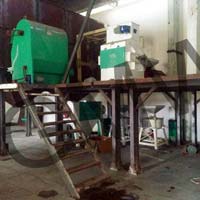
Wheat Cleaning Plant aims to mill pure and contaminated wheat. It effectively cleans off dust, rocks, husk and other impurities so that only the best of grains is milled.
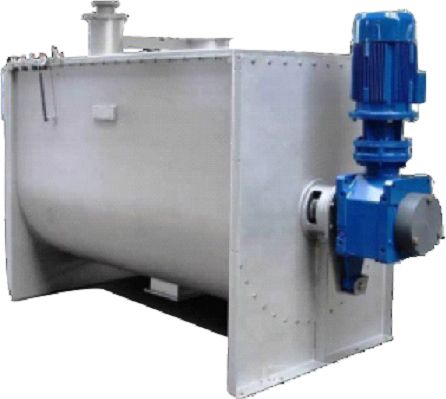
The plant is constructed using a state of art technology and combines various cleaning operations such as aspiration, sieving, and separation. It guarantees high capacity, uniform performance and low wastage. This plant can be used in the flour mills and other industries dealing with grain processing, which improves the quality of the final products, such as flour and semolina.
Having good construction and low maintenance requirements, the Wheat Cleaning Plant gives durability and long usage. It is easy to handle, energy efficient, and suitable for all sizes of production. The Wheat Cleaning Plant is an essential investment for businesses that want to achieve high milling and food safety.
Looking for "Wheat Cleaning Plant" ?
piece
Explore More Products
FAQs About Wheat Cleaning Plant
A wheat cleaning plant is a facility or set of machines designed to clean wheat grains by removing impurities such as stones, dust, husk, chaff, and other foreign materials before milling or further processing.
Cleaning wheat improves the quality of the final product (like flour), protects milling equipment from damage, reduces wastage, and ensures food safety by removing contaminants.
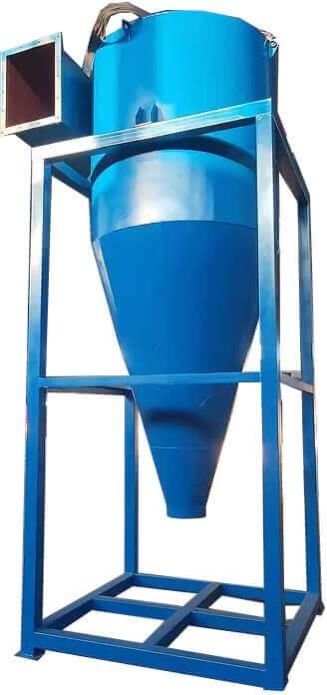
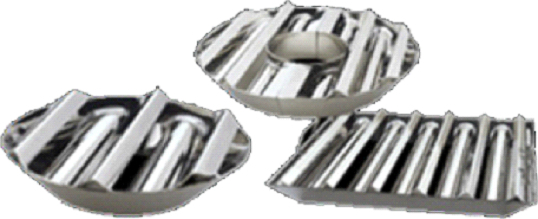
A typical wheat cleaning plant includes equipment such as pre‑cleaners, destoners, aspirators, screens/sieves, magnetic separators, and dust collectors to thoroughly clean the wheat grains.
Wheat cleaning plants are available in various capacities, from small units suitable for small mills (e.g., 1–5 tons per hour) to large industrial systems capable of processing 20 + tons per hour or more.
Regular maintenance involves cleaning dust and residue from machines, checking screens and sieves for wear, lubricating moving parts, and conducting periodic inspections to ensure smooth and efficient operation